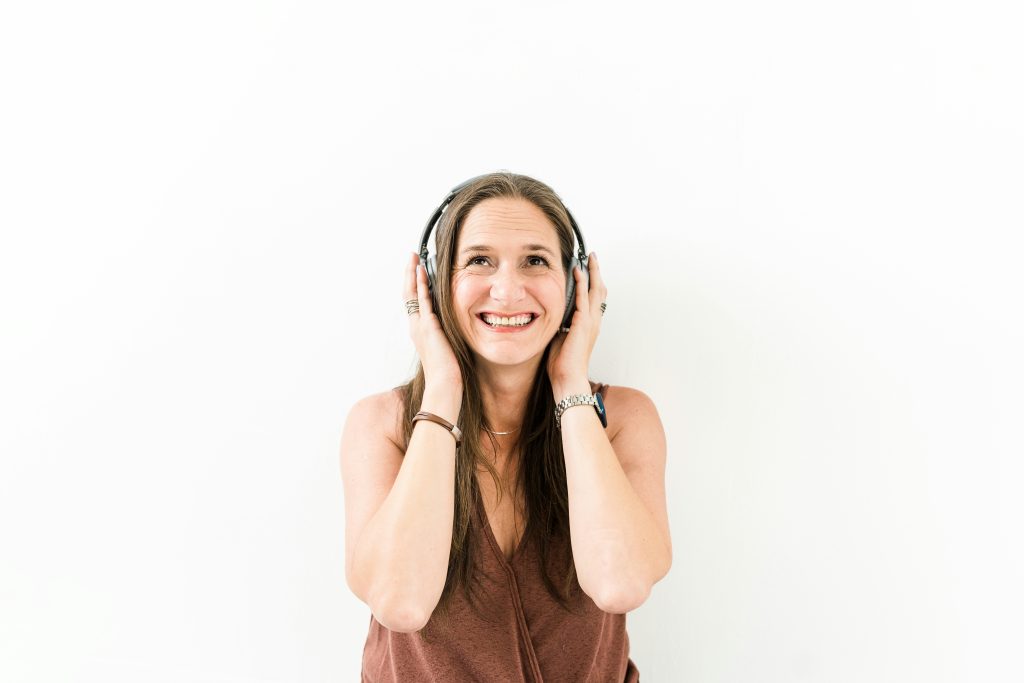
Headphones have become part of daily life. They’re on during commutes, at the gym, through the workday, and well into the evening. For many people, including teenagers and young adults, they’re in use for several hours a day. Yet very few people think about what prolonged listening at high volumes is doing to their hearing over time.
This post explains how headphone use can affect your hearing, what the warning signs look like, and what safe listening means in practice.
Can Headphones Cause Permanent Hearing Loss?
Yes. Repeated exposure to loud sound through headphones can permanently damage the hair cells of the inner ear, and that damage cannot be undone. The inner ear contains thousands of tiny sensory hair cells within the cochlea. These cells convert sound vibrations into electrical signals that the brain interprets as sound. Unlike many other cells in the body, they do not regenerate. Once they are damaged by noise, that hearing sensitivity is gone.
Noise-induced hearing loss (NIHL) develops gradually and without pain. Most people are unaware that damage is occurring until it becomes noticeable in everyday situations, and by then, significant and irreversible change has often already taken place. According to Health Canada, NIHL is increasingly common among teenagers and young adults, driven in large part by recreational headphone and earbud use.
How Loud Is Too Loud?
The threshold for hearing damage with prolonged exposure is 85 decibels (dB). On most smartphones and devices, this corresponds to approximately 70–80% of maximum volume, less than most people realize.
Safe listening exposure is not just about volume; it is about the combination of volume and duration. The louder the sound, the less time it takes to cause damage:
- 85 dB — damage can occur after approximately 8 hours of continuous exposure
- 91 dB — the safe exposure time drops to around 2 hours
- 100 dB — potential damage can occur in as little as 15 minutes
- 110 dB — hearing damage risk begins within approximately 2 minutes
The challenge in everyday life is that background noise pushes us to raise the volume. On a busy bus, in a noisy office, or during a workout, it is easy to reach for 90% or 100% volume without thinking twice — and to stay there for an hour or more.
What Is the Safe Listening Rule for Headphones?
The most widely cited guideline is the 60/60 rule: listen at no more than 60% of your device’s maximum volume, for no more than 60 minutes at a time, followed by a listening break.
In practice, building these habits makes a meaningful difference:
- Use the volume limiter on your device: both iOS and Android allow you to set a maximum output level in the sound or accessibility settings
- Choose noise-cancelling headphones: when background noise is reduced passively, you no longer need to compete with it by raising the volume
- Prefer over-ear headphones instead of in-ear earbuds where possible: earbuds sit directly in the ear canal and deliver sound at higher intensities than the same volume setting on over-ear models
- Build in breaks: even 10 minutes of quiet per hour gives your auditory system a chance to recover
- Be especially mindful when falling asleep with earbuds in: extended exposure at moderate volumes overnight adds up significantly
For parents: children’s hearing is more sensitive than that of adults, and the listening habits established in adolescence have long-term consequences. Checking your child’s device volume settings and talking through these guidelines together is a straightforward and worthwhile step.
by Katie Lyke
Recognizing the Early Warning Signs
Noise-induced hearing loss develops silently and incrementally. By the time it is obvious in conversation, meaningful damage has typically already occurred. These earlier signals are worth taking seriously:
- A ringing, buzzing, or muffled sensation in the ears after a listening session (this is called a temporary threshold shift, and it is a sign the auditory system has been stressed)
- Needing to increase the volume on devices or the television more than you used to
- Difficulty following speech in noisy settings, restaurants, family gatherings, or social events
- Sounds feeling less crisp or detailed than they once did
- Asking people to repeat themselves with increasing frequency
Temporary threshold shift: a short-term reduction in hearing sensitivity following noise exposure, experienced as a sense of fullness, muffled sound, or ringing. While it often resolves within hours, repeated episodes indicate that cumulative damage is occurring and that a professional hearing assessment is advisable.
It is important to note that these symptoms can also indicate other conditions unrelated to headphone use. If you are experiencing any of them, particularly if they are new, persistent, or worsening, do not assume the cause. A hearing assessment is the appropriate next step.
A Note on Custom Hearing Protection
For individuals who work in loud environments or regularly attend concerts and live events, custom hearing protection is worth considering alongside safe headphone habits. At Ear and Hearing Clinic, we offer custom ear plugs fitted to your ear canal, providing consistent, comfortable noise attenuation without the distortion of foam alternatives. This is especially relevant for musicians, construction workers, and anyone with regular, high-volume occupational exposure.