
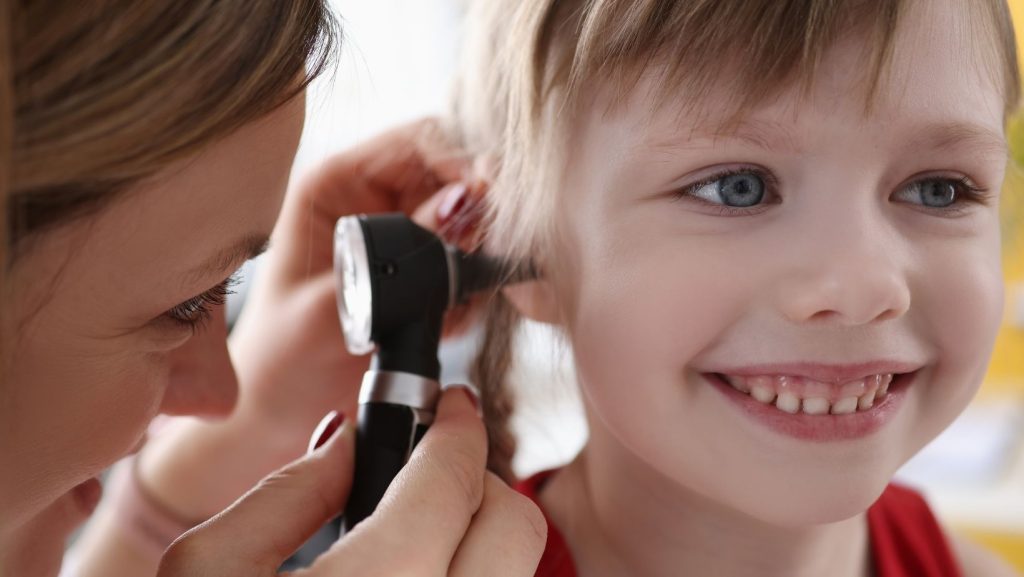
Hearing can play an important role in the way some children access language, participate in activities, and interact with those around them. Yet, hearing loss in children is more common than many parents realize. Spotting the indications early can make a significant difference in your child’s life. This article will walk you through the common signs of hearing loss, explain why early detection is so important, and outline the steps you can take if you have concerns.
Why Early Detection Matters
Untreated hearing loss can have a ripple effect on a child’s development. It can impact their ability to develop speech and language skills, which are foundational for reading, writing, and overall academic success. Without the full range of sound, a child might miss out on crucial parts of conversation, leading to difficulties in learning and social interaction.
The good news is that early intervention offers powerful benefits. When a hearing issue is identified and managed early, children can get the support they need to thrive. Modern treatment options and therapies help ensure they meet their developmental milestones alongside their peers.
Common Signs of Hearing Loss in Children
The signs of hearing loss can vary depending on a child’s age. What you might notice in an infant is very different from what you would see in a school-aged child.
Infants and Toddlers
In the first year of life, a baby’s brain is rapidly developing to process sound. Look for these indicators:
- Lack of startle response: Does not react to sudden, loud noises.
- Doesn’t turn toward sound: By six months, a baby should turn their head toward a voice or an interesting sound.
- Delayed speech milestones: Not babbling by six to eight months or not saying single words like “mama” or “dada” by their first birthday.
Preschool and School-Aged Children
As children get older and their world expands, the signs may become linked to their communication, learning, and behavior.
- Communication issues: Frequently asks “what?” or “huh?” or needs things repeated. They might have trouble following directions with multiple steps.
- Listening habits: Seems to watch your lips intently when you speak rather than making eye contact.
- Academic or behavioral challenges: Appears to have difficulty in school, which might be mistaken for a learning disability or attention problem. Frustration from not being able to hear properly can also lead to behavioral issues.
General Behavioral Signs
Some signs can appear at any age and might be easy to overlook.
- Appearing inattentive: Sometimes, what looks like a child not paying attention is actually them not hearing what was said.
- Unusual speech volume: They may speak much louder or softer than other children.
- Social withdrawal: A child might seem to pull away from group activities or appear shy because they have trouble following conversations and joining in.
Factors That Increase the Risk of Childhood Hearing Loss
While hearing loss can occur in any child, certain factors can increase the risk. These include:
- A family history of hearing loss
- Frequent or chronic ear infections
- Complications from premature birth
- Certain medical conditions or syndromes
- Exposure to very loud noises or specific medications
What Parents Should Know
If you are concerned about your child’s hearing, it’s helpful to understand a few key points. Hearing loss is not always obvious, and subtle signs matter. Trust your instincts as a parent. A hearing test for children is a simple, non-invasive process that provides clear answers.
There are different types of hearing loss, and treatments are tailored to the specific need. Options can range from hearing aids and cochlear implants to specialized speech therapy. Working with qualified audiologists and pediatric specialists ensures your child receives the best care.
When to Schedule a Hearing Test
You should schedule a hearing evaluation if you notice any of the signs mentioned above, particularly if they are persistent. Routine checkups are also recommended. A hearing test for children is painless and often feels like a game to a young child. An audiologist will use age-appropriate methods to determine how well your child hears different pitches and volumes.
Supporting Your Child at Home
If your child is diagnosed with hearing loss, your support at home is invaluable. You can help by:
- Encouraging communication: Create a positive and patient environment for them to express themselves.
- Creating quiet spaces: Minimize background noise during homework or conversations to help them focus on listening.
- Using visual aids: Use gestures and facial expressions to supplement your speech.
- Speaking clearly: Face your child when you talk and speak at a normal pace and volume.
- Partnering with educators: Work closely with teachers and therapists to create a supportive learning plan at school.
Take Action on Your Concerns
Recognizing the signs of hearing loss is the first and most important step you can take. Your observations as a parent are powerful. If you suspect your child may have a hearing issue, acting on that concern can open the door to the support they need to succeed in every aspect of life. Trust your gut and seek a professional opinion.
If you notice any of these signs in your child, schedule a professional hearing assessment with us today. Getting answers will ensure your child receives the support they need to flourish.