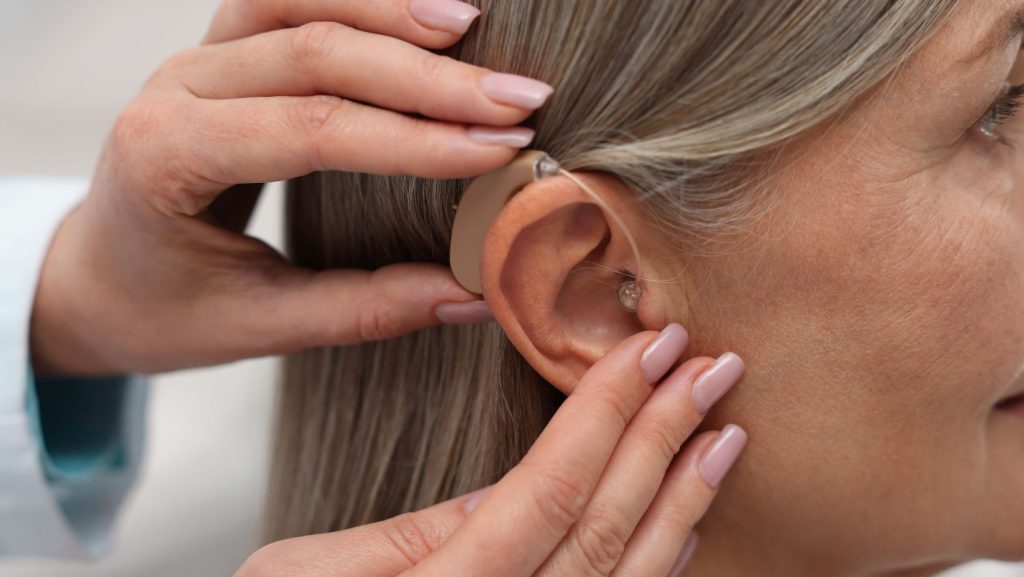
Hearing aid technology continues to evolve rapidly. If your devices are more than a few years old, they may not be providing the clarity, comfort, and performance that newer models can deliver. Many patients continue wearing older hearing aids because they still function. However, there is a difference between hearing and hearing well. If you are unsure whether your devices are keeping up with your needs, here are five signs it may be time to consider a hearing aid upgrade in 2026.
1. You Feel Tired After Conversations
Listening should not feel exhausting. If you notice increased listening fatigue after family gatherings, meetings, or social outings, your hearing aids may not be providing sufficient speech clarity. When devices struggle in noisy environments, your brain compensates by working harder to understand speech.
Modern hearing aids use advanced sound processing and artificial intelligence to improve speech understanding while reducing background noise. Many patients report less strain and greater comfort with updated technology.
2. Your Devices Lack Current Technology
Hearing aids available in 2026 include features that were not common just a few years ago, such as:
- Bluetooth LE Audio for clearer streaming
- Rechargeable batteries with extended life
- AI-driven automatic sound adjustments
- Enhanced noise reduction for busy environments
If your hearing aids do not offer seamless connectivity or struggle in restaurants and group settings, you may benefit from exploring modern hearing aids.
3. You Require Frequent Repairs
All hearing aids need routine maintenance. However, repeated repairs may indicate aging internal components. Moisture exposure, everyday wear, and battery issues may become more common over time. When service appointments increase, it may be more practical to evaluate replacement options rather than continue repairing older devices.
4. Your Lifestyle Has Changed
Your hearing needs today may differ from when your devices were originally fitted.
If you are more socially active, travelling more often, or spending time in complex listening environments, your current hearing aids may not be optimized for these situations. Today’s devices automatically adapt to changing sound environments, helping you stay engaged and confident in a wider range of settings.
5. Your Hearing Has Progressed
Hearing loss can gradually change. If you find yourself increasing the volume or still experiencing difficulty despite programming adjustments, your devices may no longer match your hearing profile. A comprehensive hearing assessment at our clinic can determine whether reprogramming is sufficient or whether updated technology would provide improved outcomes.

By Matt Bennett
When to Consider a Hearing Technology Consultation
Upgrading your hearing aids is not about having the newest device. It is about ensuring your hearing solution matches your current needs. If you recognize any of these signs, scheduling a hearing consultation can help you compare your existing devices with today’s advanced options.
At Ear and Hearing Clinic, our team provides personalized recommendations based on your hearing levels, lifestyle, and goals. If you suspect your hearing aids may be outdated, 2026 may be the right time to explore what modern technology can offer. Clearer hearing and greater comfort may be closer than you think.